Initial Statement of Footwear Export from Bangladesh:
Footwear Export from Bangladesh is a regular thing. We are exporting footwear for more than 60 years now. However, the whole footwear market is $162 billion worldwide. Currently, Bangladesh’s offering of footwear advertise is excessively small. So, the nation has the potential to raise the remote trade profit complex by using its substantial workforce. Mostly, specialists and industry insiders mentioning these factors.
Currently, we are trading $ 1 billion from the fare of footwear and cowhide items. Though we have a limitation on business policies and infrastructure. Another positive factor is low costing of workers. It is estimated by experts that this progressive sector can achieve more than what it is producing now.
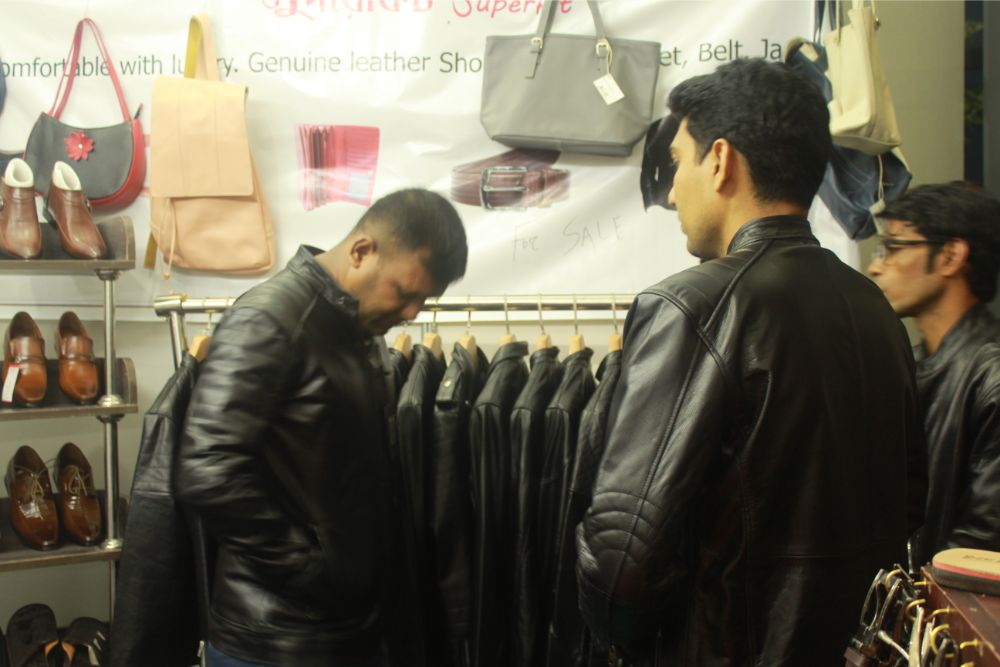
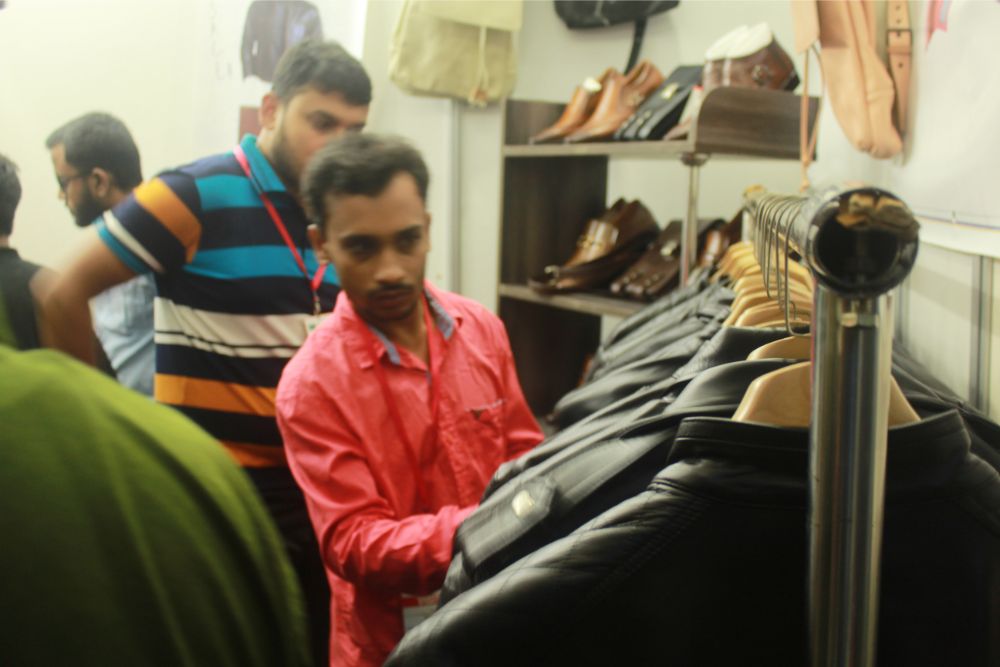
Bangladeshi Leather Goods And Leather Footwear Display For Foreign Buyers 2018-19
Saiful Islam, president of Leathergoods and Footwear Manufacturers and Exporters Association of Bangladesh (LFMEAB), said Bangladesh is now promoting its footwear products through various means, including by organizing mega expositions. “Buyers and brands are slowly getting informed about the quality of Bangladeshi goods and types of footwear being produced here,” he said.
Government and private sector have to work together to keep up the upward trend in coming days, he said. Mohiuddin Ahmed Mahin, president of Bangladesh Finished Leather, Leather Goods, and Footwear Exporters Association, echoed same. He said, ” there are also challenges ahead as the international footwear market is highly competitive.”
World Market Demand vs. Possible Market domination of Bangladesh:
Basically, footwear showcase is a major market as far as volume. Almost 397 million or around 40 crore sets of shoes are being sold every year and it is developing by 10 percent consistently. As far as qualities, the size of the market Tk 162 billion. A few specialists said that the footwear part has the possibilities to get take over the clothing business. The possibility has developed by just about 8-10 times in the course of the most recent decade.
If we look back we see the remote trade income from footwear trade has expanded from $68 million in 2004 to $870 million in FY 2017-18. According to Export Promotion Bureau (EPB) data, in the 2018 fiscal year, Bangladesh earned $1.08 billion from footwear, down by 12% from $1.23 billion in FY17. Footwear exports totaled $651 million in the last nine months of the current FY 2018-19, which is around 10 percent higher than the same period last fiscal.
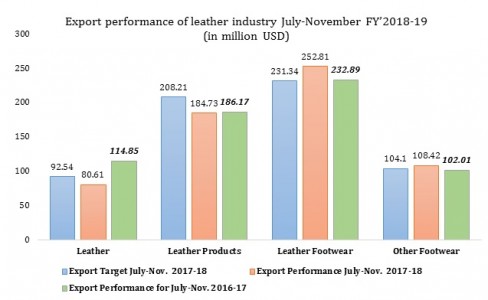
Export performance of Footwear July to November 2018-2019
Industry insiders stated, at present, the area has high potential in the worldwide market, which is $246 billion in 2017 and is expected to reach $320 billion by 2021. Calfskin, artificial cowhide, and denim or other textures are the popular material for the footwear. On the off chance that our business people focus on assembling a wide range of footwear, the income from footwear could outperform the returns got from RMG items, they communicated the expectation.
The nation raises the business sector by 10-20 percent can get $40 billion to $50 billion a year from sends out. At that point it’s a matter of 10 years to meet the objective, specialists trusted. The rising work costs in China have made huge retailers look to the nations like Vietnam, the Philippines, India, and Bangladesh, And now we are getting benefits already. But our poor policy, slow infrastructure development, old school technology, no creativity course for workers, anti-environmental factories are decreasing foreign buyers highly.
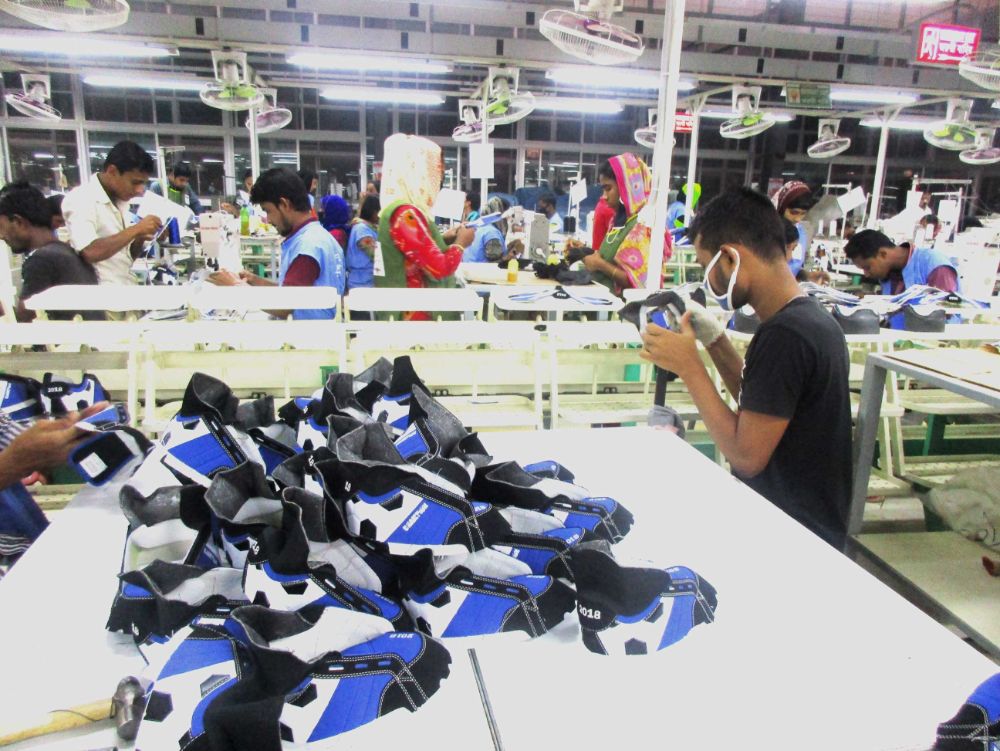
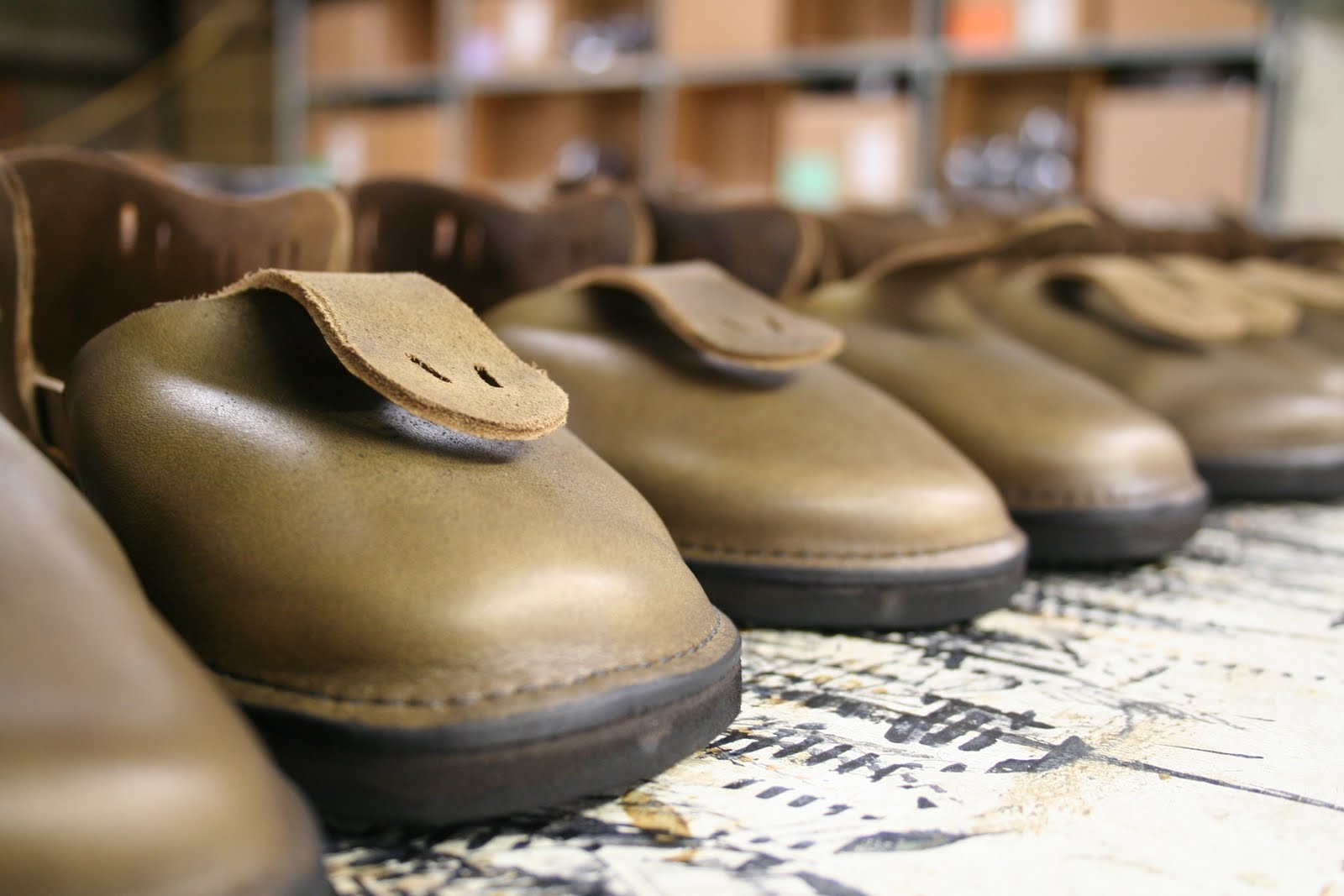
Floor-View-of-a-factory-while-making-shoes
InsidersThoughts and Global Market Influence for Footwear Export from Bangladesh:
Bangladesh has turned into an alluring goal for cowhide area because of accessible great quality crude covers up when the low work cost has turned into leverage for them, they additionally said including, a few global speculators have set up footwear fabricating industrial facilities in the neighborhood Export Processing Zones (EPZs). M Abu Taher, previous executive of Bangladesh Finished Leather, Leather Goods and Footwear Exporters Affiliation said that the legislature allotted plots to 155 tannery proprietors at the mechanical home and some of them have migrated their units. On the off chance that we can use our 100 percent limit the modern home may support the part’s fare income up to $5 billion.
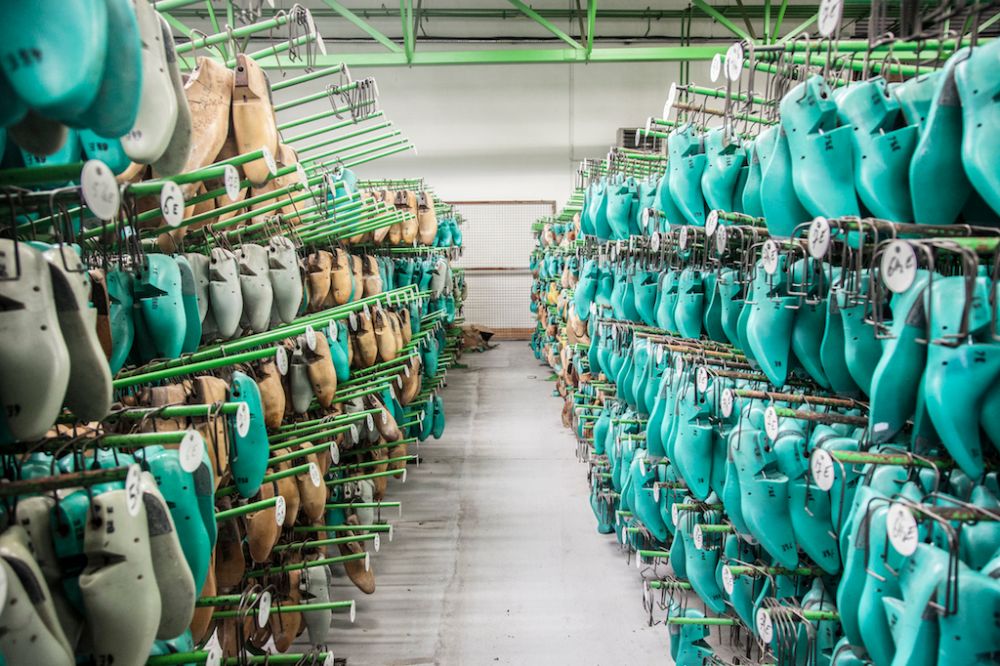
Shoe-Lasts-or-Shoe-Mold-Library-of-a-Factory
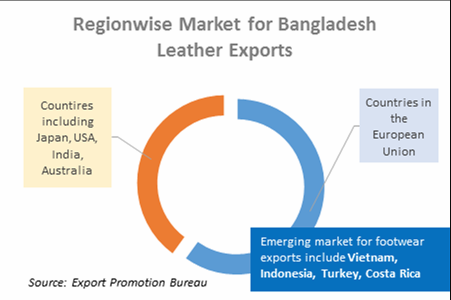
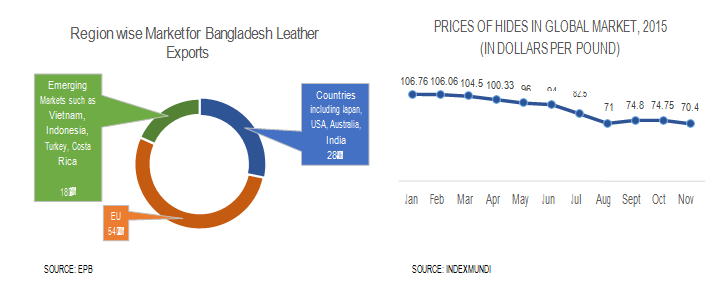
Right now, Bangladesh sends out footwear to 50 plus nations. Including the EU, China, Japan, Korea, Canada, and North America. The EU is the biggest fare goal of Bangladesh’s footwear industry. Furthermore, the larger part of cowhide (54 percent) is trading to the EU advertise. As indicated by the Euro screen, just 4 EU nations (Germany, France, United Kingdom, Italy) are the best 10 worldwide footwear markets.
Industry insiders stated, to pick up a more prominent offer of the segment, Bangladeshi business visionaries should target both built up top markets, for example, USA, China, and Japan and furthermore developing markets, for example, Mexico, which will flourish by 2018.
Experts Opinion:
Ruhul Amin stated, “India is turning into a danger to the neighborhood passage level market. A decent number of snuck shoes are entering Bangladesh. Which does not offer well for the nearby business. As these merchandises arrive through unlawful channels, they get more valuable benefits.
“Keeping in mind the end goal to ensure the neighborhood rising footwear fabricating industry. And enable it to become further, pirating of shoes ought to be managed,” he pushed.
In the setting of the worldwide market, I can state that China is as yet the market pioneer. The nation is sending out footwear worth $54 billion every year. The second position is Vietnam, and the third by Italy. About 40 percent of the worldwide footwear request is met by China-made footwear, while 12 percent by Vietnam.
“When we investigate the articles of the clothing industry. We see that 83 percent of the fare container is instant articles of clothing items. Alongside pieces of clothing, footwear is likewise a piece of the way of life items. Huge numbers of the purchasers are requesting to have top quality shoes from Bangladesh,” he included.
Footwear Export From Bangladesh
“We are now presenting to the worldwide market for articles of clothing. The purchasers who are purchasing from China, Vietnam, Cambodia and different nations, ought to likewise purchase great quality shoes from Bangladesh. Purchasing shoes from Bangladesh would be a favorable position for them. Since they would have the capacity to get their shoes inside a similar office costing,” he encourages said.
Nasir Khan, chairman and managing director of Jennys Shoes said, ” Bangladesh is capable of increasing its leather and footwear exports to $10 billion by 2025 if the authorities such as the National Board of Revenue and the port authority as well as banks extend cooperation to exporters.” He also said, “The geographical location of Bangladesh is also very favorable for export and import.”
Huge retailing associations like H&M have come to Bangladesh for sourcing and getting shoes. An extensive proportion of other basic buyers put assets into the items conveyed here in our country of source. Beginning at now, H&M is explicitly getting shoes from here while a critical number of them are acquiring shoes by suggestion through pariahs. Since Bangladesh’s shoe industry is still at its fundamental stage, various buyers are yet to start direct getting from Bangladesh.
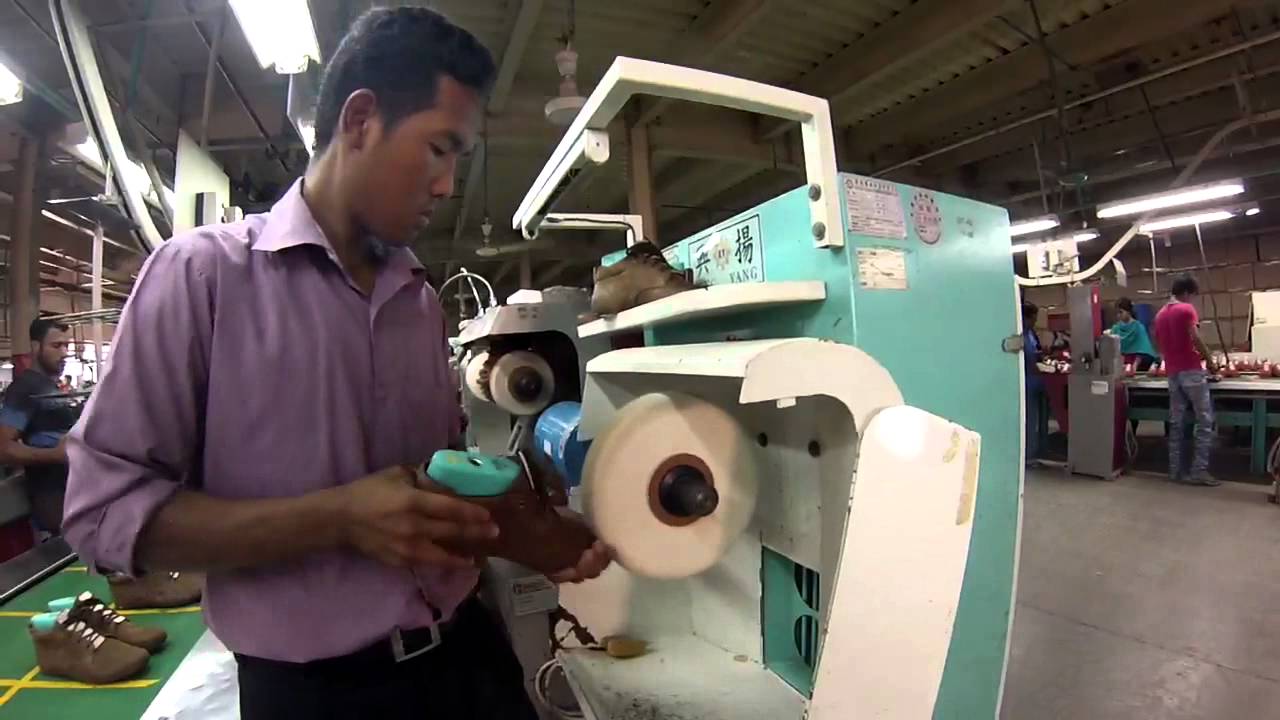
Working View of a shoemaking factory in Bangladesh
Deichman of Germany, one of the overall goliaths, has obtained footwear made in Bangladesh. Along these lines, it is clear that the solicitation is bitten by bit climbing on an overall level. Since China has formally articulated this part as a lodging industry. Along these lines, the organization isn’t placing many ideas into this anymore. As such, the accompanying objective in Bangladesh and there is no other elective.
Final Words:
The footwear region is an obfuscated industry not under any condition like the pieces of attire region. The essential obstacle for this industry is the insufficiency of skilled work. The footwear producers connection has been endeavoring to update the breaking point. In addition, money related authorities are approaching. The shoe business is by and by running by energetic and educated skilled specialists and representatives. Interestingly, the new money related authorities who are directly bringing about these current conditions fragment are not laymen-rather they are educating and further creating.
Tremendous quantities of the compelling bits of apparel businessmen are setting up footwear adventures. Of course, they can begin the footwear business. What’s more, we trust that Footwear Export from Bangladesh will be the following objective to accomplish.
Since the pioneer time, the footwear business started in Bangladesh. However, the industry gets the modernization just in the late 1980s. There was no footwear fabricating firm creating on a mass scale in East Bengal during the English time frame. Calcutta becomes the hub of different sorts of footwear transportation. After the segregation of Bengal in 1947, footwears were transported in from West Pakistan.
At the point in 1962, Bata Shoe Organization built up its assembling plant at Tongi. At first, it was just the primary assembling plant to create shoes on an extensive scale in East Pakistan. In 1967, Eastern Dynamic Shoe Enterprises set up its generation plant. Mainly, USSR, Czechoslovakia, and Britain started trading footwear from them. Both Bata and EPSI held real offers in the nearby footwear advertise. The footwear business endured a noteworthy misfortune amid the war of freedom yet was restored after autonomy. New footwear fabricating units have as of late been built up. Among them are Pinnacle Footwear, Excelsior Shoes, and Paragon Cowhide and Footwear Ventures.
The Progressive Footwear Industries in Bangladesh
Government Policies for The Progressive Footwear Industries in Bangladesh:
Bangladeshi footwear is currently handling most orders from Japan and Germany. Alter buyers like US purchasers are progressively indicating enthusiasm for sourcing from Bangladesh. By 2013 Bangladesh could have a billion-dollar footwear trade division. And it guarantees neighborhood shoemakers based on both the present development in shipments and the expanded creation limit in industrial facilities under development. On the off chance that their evaluation is right. Cause in a three-year time span the level of fares can expand five-overlap from the $205 million worth of shoes that were trading in the last monetary year that finished in June 2010.
As The segment’s fare has developed by just about 10 times in the course of the most recent decade, as the outside trade income from footwear sends out have expanded to $495 million out of 2015-16 from $68 million of every 2004, and to $673 million out of 2014-15. According to the EPB, during the first two months of the current financial year 2016–17, the country posted 23.62 percent growth in footwear exports over that during the same period a year ago. Bangladesh has received $120.59 million foreign exchange from exports of leather footwear in the July–August period in this fiscal year. In the first quarter of 2017-18 (July-September) fiscal, footwear exports fetched $234 million, posting an eight percent growth over the same period last year, Export Promotion Bureau (EPB) data show.
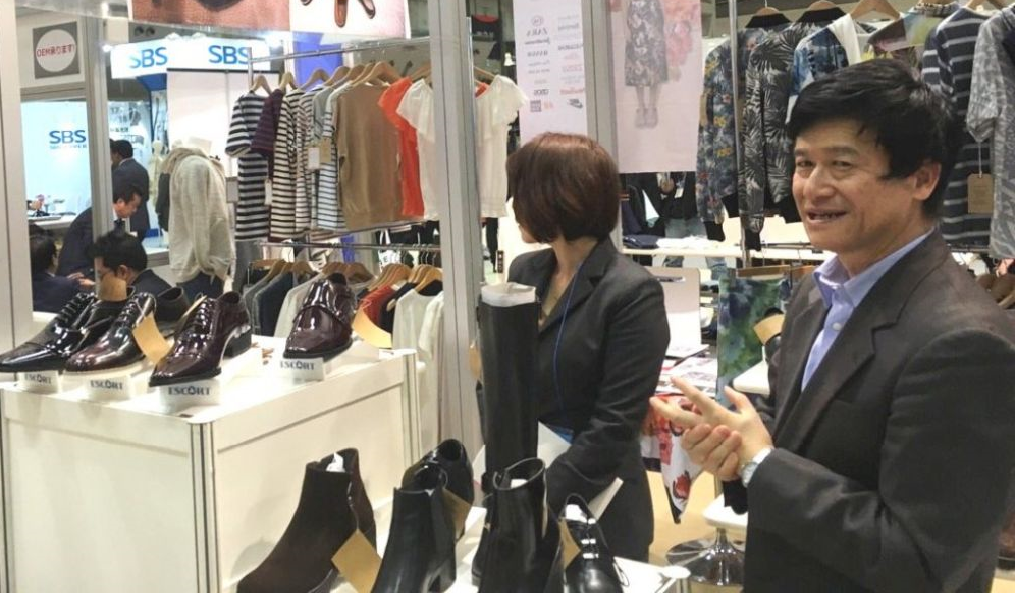
The Progressive Footwear Industries Fair in Bangladesh
Industry insiders said, from now, the segment has an extremely potential worldwide market. And it worths about $240 billion yearly for a wide range of footwear. Like made by cowhide, artificial calfskin, and denim or other textures very efficiently.
In the event that our business people focus on assembling a wide range of footwear, the profit from footwear could outperform the returns brought from RMG items,
Overall Achievement of The Progressive Footwear Industries in Bangladesh:
We all know Bangladesh is set to rise as the following assembling center point for the worldwide footwear industry. The modest work is inciting top producers to move their processing plants in the nation. Fortunately, various remote speculators and in addition purchasers have just indicated enthusiasm for Bangladesh’s calfskin and footwear division.
As of late, the leader of the Bangladesh Completed Calfskin, Cowhide Products and Footwear Exporters Affiliation (BFLLGFEA) educated all worried that three substantial speculators in the footwear division from Taiwan would set up footwear processing plants in the Dhaka and Chittagong Sending out zones. The purchasers from the EU, and also other exceedingly created mechanical countries like Japan have apparently been indicating significance in Bangladeshi calfskin items. Every one of these advancements looks encouraging for the neighborhood footwear industry.
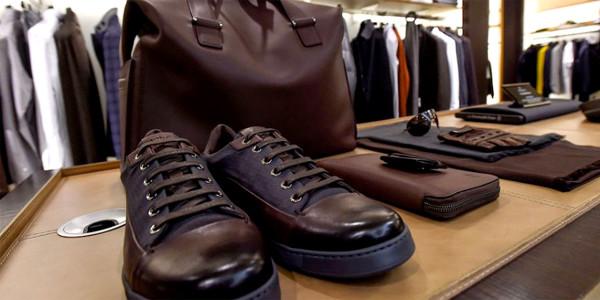
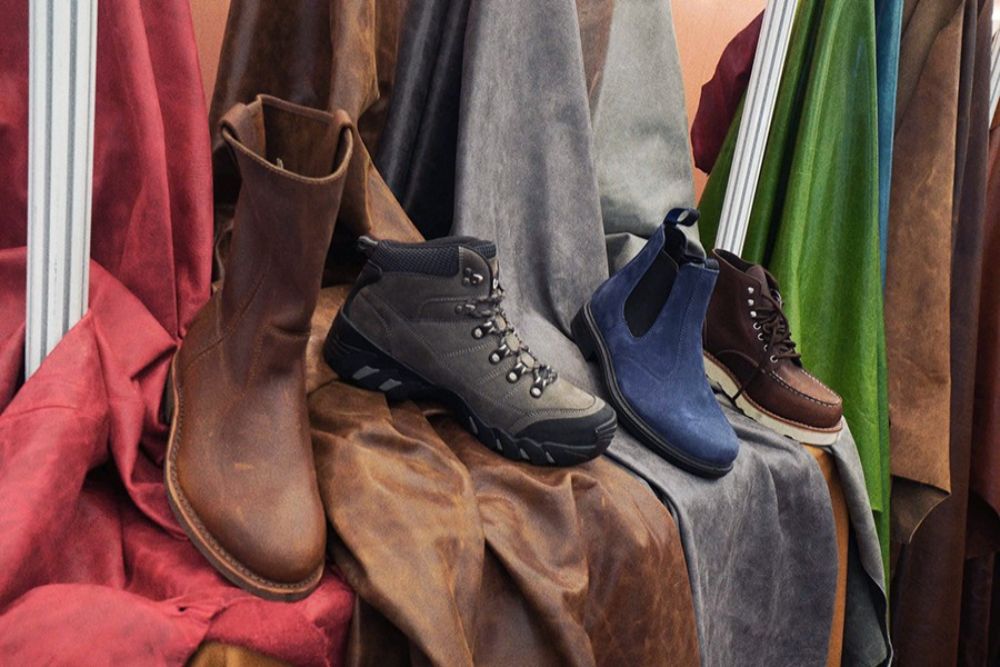
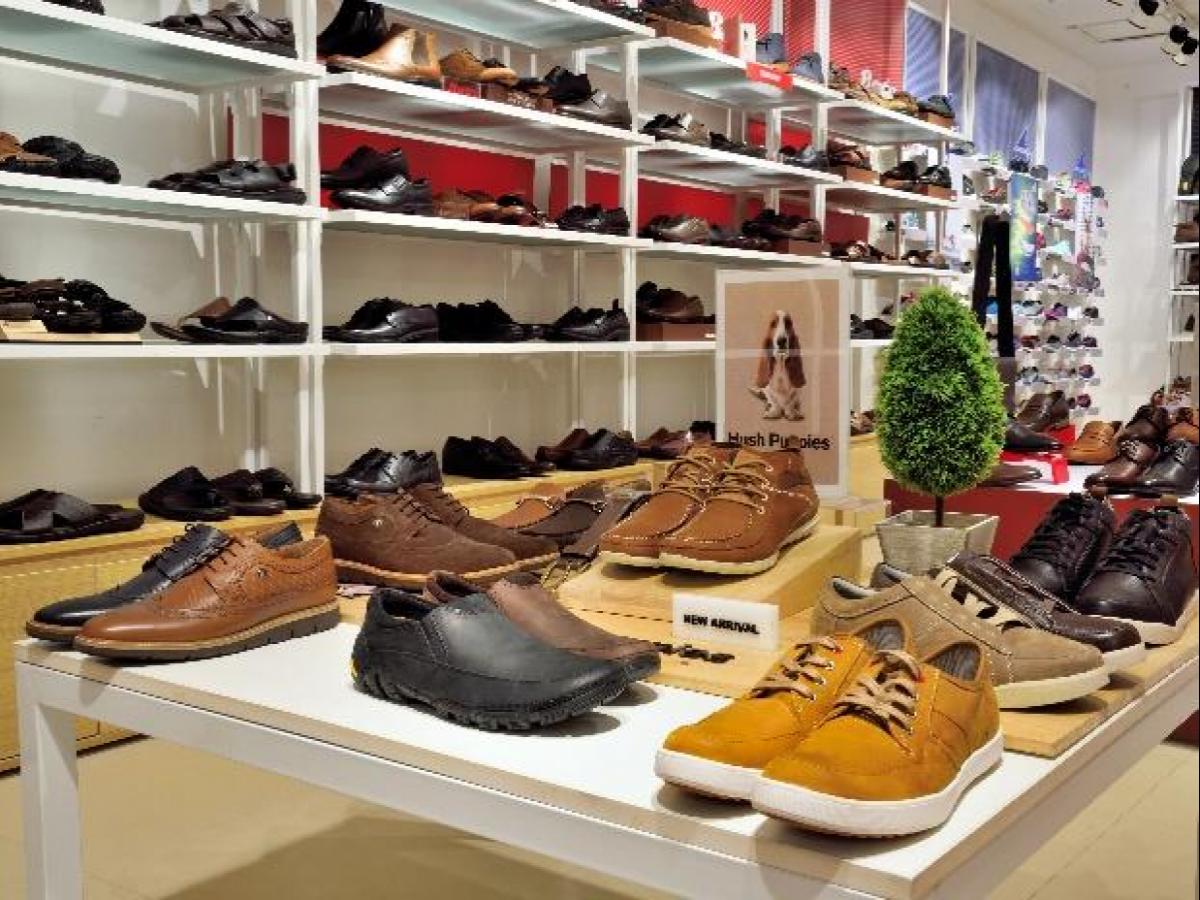
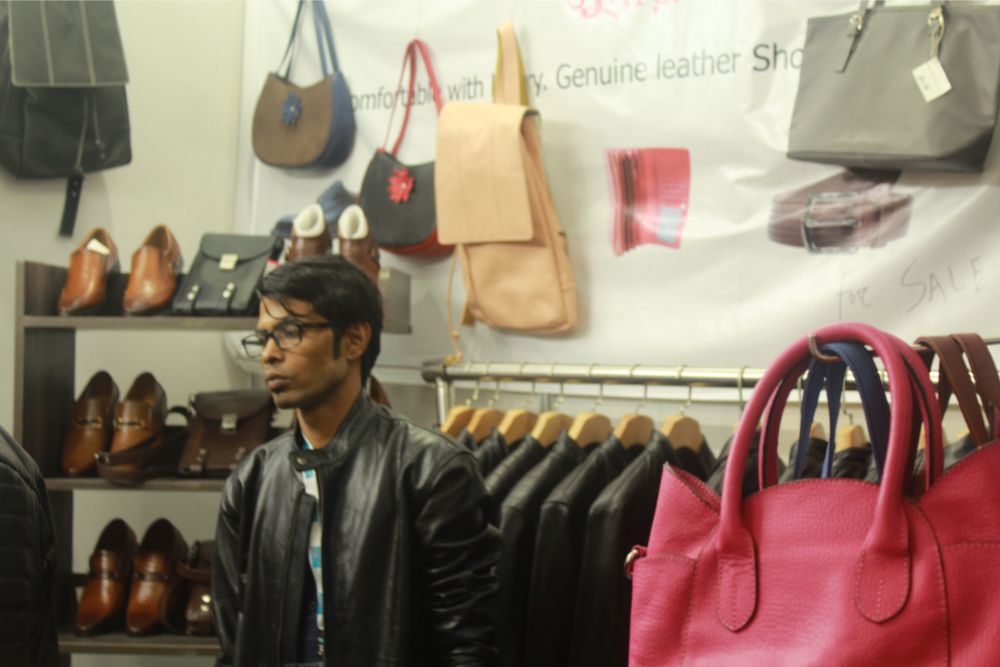
Footwear collection for Men
The Fare Handling Zones on display have 18 shoe and calfskin products processing plants. However, there are no less than seven substantial industrial facilities under development. For the most part, possessed by huge makers in the shoe world. The manufacturing plants under development incorporate Korean organization Youthful one’s footwear complex which is saying to be the biggest in Asia. The organization began development of its super shoe complex in Chittagong a half year back. The initial segment of the mind-boggling will go into generation by the center of one year from now, and the organization’s administrators said they would have the capacity to produce around 30 million sets of shoes by 2013.
New Targets and New Destination For The Progressive Footwear Industries in Bangladesh:
Likewise, Pau Chen, a Taiwan base shoe producer utilizes around 4,00,000 laborers in its production lines in China. In Vietnam, the number of workers is almost 50,000. Furthermore, it is additionally assembling a huge assembling office in Chittagong. Australian producer Bonbon Shoe is additionally constructing footwear plants in Bangladesh. And they are also the provider to Hugo Manager, and Xen Chen and Genford of Taiwan. And Zenith Adeichi likewise has another processing plant that will soon begin generation. With a yearly turnover of about $100 million, the Bangladesh-Italy joint wander is currently the biggest exporter of footwear. Be that as it may, with another joint wander manufacturing plant. Blue Sea Footwear, due to go into generation by February 2011. And Pinnacle will include a turnover of about $200 million of footwear send out by 2013.
Footwear Industries in Bangladesh
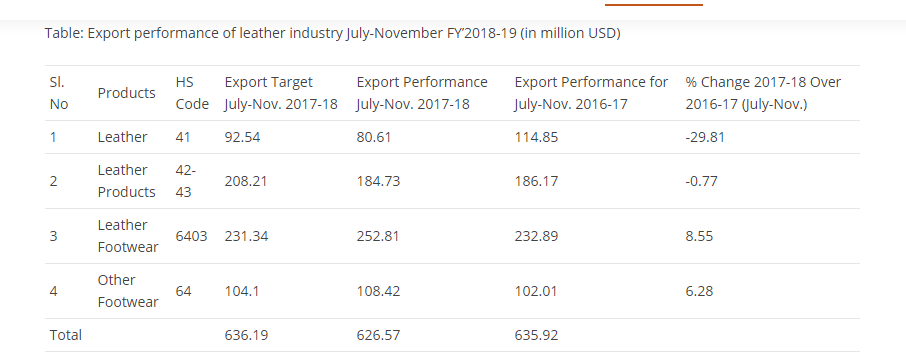
According to the EPB, during the first two months of the current financial year 2016–17, the country posted 23.62 percent growth in footwear exports over that during the same period a year ago. Bangladesh has received $120.59 million foreign exchange from exports of leather footwear in the July–August period in this fiscal year. Another report shows footwear (leather and non-leather) achieved positive growth. And leather footwear (HS Code: 6403) had a positive growth of 8.55% and export earnings was 252.81 million USD. As a result, 21.47 million surplus than the targeted export earnings.
Final Words:
In the end, we can say that our footwear industry is evolving on a large scale. With time we need to focus on the weakness and the disadvantages we have. Better industrialization, better work environment and safety, environment-friendly plants and lethal chemical purification can change the current situation. However, the salary structure of workers, their housing, medical facilities and schooling of their children can inspire them. Also improves the sincerity of working attitude as well. If we can achieve those criteria then we can surely capture a huge market. And we are hopeful to contribute more to the world market. We hope to produce 30% of footwear in the world market by the next 10 years.
1940 is the year when the first leather made product start to procure & produce in the land of Bangladesh. R.P. Saha is the man who dares to set up a tannery in Dhaka Metro at Narayanganj. Through his hand, this ambitious business starts to run and within a few years, it becomes an industry. Where people are starting to get employed and earn money. From Narayanganj leather factories and tanneries start to spread around the city. And Hazaribagh becomes the trade center of leather tanning, developing and procurement. Therefore, the buyers come here to buy raw hides and finished leather from here. And this how the leather sector in Bangladesh establish its footprints to the contribution of the national economy. Now we are going to explore the leather industry below:
Table of content:
Tannery Zones
Footwear Zone
Leather Goods Zone
Strength and Weakness
Opportunities and Threats
Conclusion
Piles of leather shoes laying around the floor
##Tannery Zone:
According to Wikipedia, a tannery is a place where the rawhides or skins are processed to produce leather. And tannery zones means where all the procurements, procedures and finishing of the are done. After products gather to distribute among the buyers.
Tanning hide into leather involves a process which permanently alters the protein structure of the skin, making it more durable and less susceptible to decomposition, and also possibly coloring it.
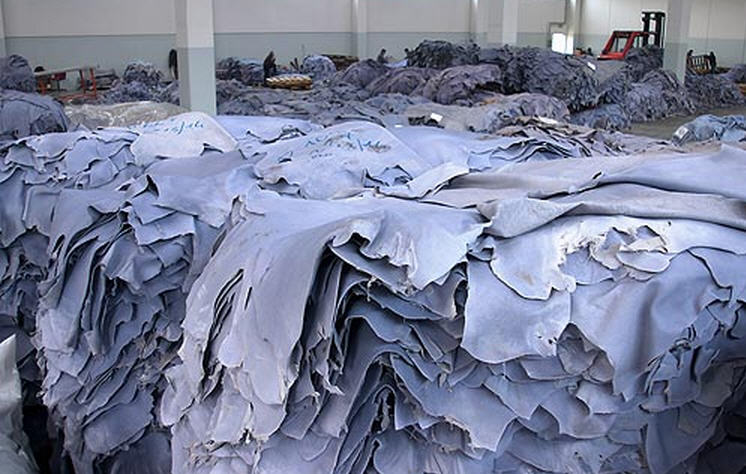
First of all, the Tannery Section is the key section for raw leather development. Cause tannery section collects the bulk amount of the rawhide during the Eid-ul-Adha. In the meantime, other festivals have a minor collection of rawhide And the types of leather export from Bangladesh are below:
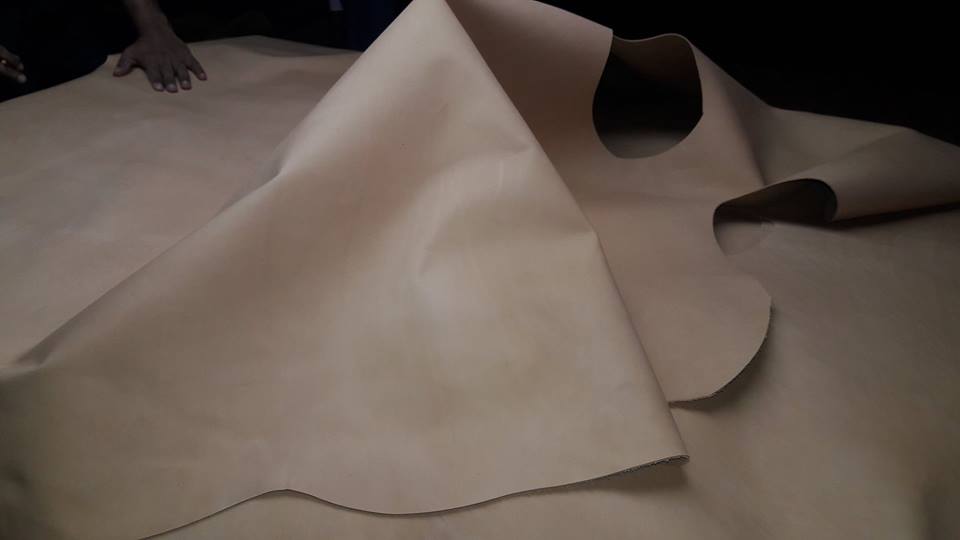
Crust Leather (Cow, Goat, Sheep, Buffalo in variety)
Finished Leather (Cow, Goat, Sheep, Buffalo in variety)
Split Leather in Wet Blue stage (Cow & Buffalo)
Crust Leather:
Basically, Leather which has been tanned but not finished is known as the crust leather. Because of its tannage, crust leather has a lot of variety. Here are the varieties mentioned below:
Full Chrome Cow/Goat/Sheep/Buffalo Crust Leather
Semi Chrome Cow/Goat/Sheep/Buffalo Crust Leather
Full Vegetable Cow/Goat/Sheep/Buffalo Crust Leather
Finally, the Split Leathers are exported by maintaining some criteria e.g. Size, Thickness, Tannage, with or without Shoulder or only Shoulder, etc. So, to make the thickness even, sometimes splits are exported after shaving. Normally, the following category (in Cow and Buffalo) splits are exported.
##In Cow:
5 SF+ Double Butt, 1.0 mm+ (without Shoulder)
5 SF+ Single Butt, 1.1 mm+ (without Shoulder)
7 SF+ Double Butt, 1.1 mm+ (without Shoulder)
7 SF+ Single Butt, 1.2 mm+ (without Shoulder)
10 SF+ Double Butt, 1.2 mm+ (without Shoulder)
10 SF+ Single Butt, 1.2 mm+ (without Shoulder)
7 SF+ Single Butt, 1.2 mm+ (with Shoulder)
9 SF+ Single Butt, 1.3 mm+ (with Shoulder)
10 SF+ Single Butt, 1.3 mm+ (with Shoulder)
12 SF+ Single Butt, 1.3 mm+ (with Shoulder)
12 SF+ Double Butt, 1.3 mm+ (with Shoulder)
2 SF+ Shoulder, 1.2 mm+
3 SF+ Shoulder, 1.3 mm+
4 SF+ Shoulder, 1.3 mm+ etc.
##In Buffalo
14 SF+ Single Butt, 1.6 mm+ (with Shoulder)
10 SF+ Single Butt, 1.8 mm+ (without Shoulder)
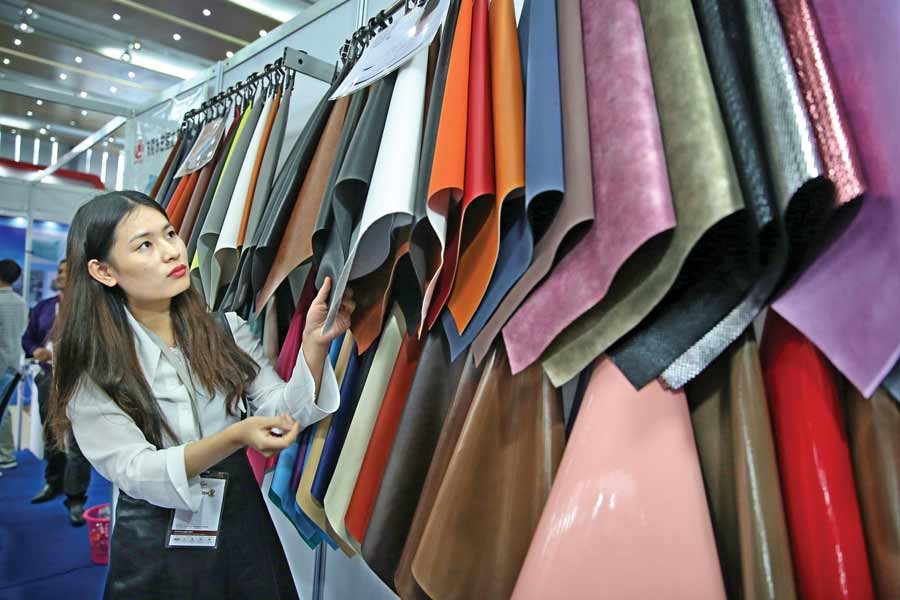
Finished Leather Display To the Leather Fair 2019
##Footwear:
Basically, leather has been introduced since 1940. By the time goes footwear industry is gradually popular in Bangladesh. And now it is the biggest opportunity for the footwear industry of Bangladesh to evolve more. And the journey of becoming a giant in this industry has already begun. So, we are now exploring the journey below:
First of all, Bangladesh has been positioned eighth as far as footwear generation on the planet in 2016. Cause we are creating 378 million sets of shoes or 1.6 percent of the aggregate yield, as indicated by World Footwear Yearbook 2017. And Bangladeshi footwear industry is one of the quickest developing on the planet. And expanding send out by about 700 percent amid the most recent decade, it noted. According to the EPB, during the first two months of the current financial year 2016–17, the country posted 23.62 percent growth in footwear exports over that during the same period a year ago.
Another report by EPB, the overall export target of the leather and footwear industry was 636.19 million USD during FY’2018-19 (July- November). But it is underachieved by 9.62 million USD with an overall export performance of 626.57 million USD. The major decline happened in the leather category (HS code: 41). And a negative growth rate of -29.81% compared to the same period of last fiscal year (FY’2017-18). As a result, it only achieves export earnings of only 80.61 million USD. On the other hand, the projected export target was 92.54 million USD. The same thing happens in the leather goods category (HS code: 42-43). It also had a negative growth rate of -0.77% compared to the same period of last fiscal year (FY’2017-2018). So far it achieves export earnings of 184.73 million USD when the projected target was 208.21 million USD.
However, footwear (leather and non-leather) achieved positive growth. And leather footwear (HS Code: 6403) had a positive growth of 8.55% and export earnings was 252.81 million USD. As a result, 21.47 million surplus than the targeted export earnings. Also, non-leather footwear (excluding HS code: 6403) and footwear accessories achieved a positive growth rate of 6.28% as well. Total export earnings of 108.42 million USD. Also, earn 4.32 million surpluses compared to the targeted export earnings accordingly.
In addition, Bangladesh trades footwear to more than 50 nations, including the EU, China, Japan, Korea, Canada, and North America. Moreover, the EU is the biggest fare goal of Bangladesh’s footwear industry. Almost 54 percent is sent out to the EU showcase. However, Industry insiders to pick up a more prominent offer of the segment. So, Bangladeshi business visionaries should target both set up top markets.
##Leather Goods:
According to industry inside currently, 220 tanneries, 2500 footwear manufacturing units and 90 large firms are involving in the leather and leather goods sector. However, this sector is contributing 4% to the country’s total export earnings by exporting items to more than 50 countries. So, the exports will increase manifolds if the leather and leather goods sector meet the compliance standards and take initiatives to promote their products in the international market. At present, we earn about US$ 1.23 billion by exporting various leather products in FY2016-2017. And the government, however, has set a target to earn $5.0 billion from exporting leather, leather goods, and the footwear sector as part of the $60 billion overall export earnings by 2021.
Availability of highly reputed, high-quality leather
Government’s thrust as a priority sector—provision of incentives and exporter-friendly policies
A large pool of inexpensive manpower
Insufficient use of better technologies and appropriate
production methods
Lack of R&D and training
Dependence on expensive imported raw materials.
Inefficient raw material procurement and firms’ lack of market information, and knowledge of business promotion opportunities and marketing strategies
Difficulty in obtaining bank loans
Opportunities & Threats:
Potential to replicate RMG success story.
Large and growing global leather export market and increasing demand for Bangladesh’s leather-based products.
Rising potential in the domestic market.
Leather exports gaining momentum in recent years.
Large demand in emerging markets.
Establishment and promotion of economic zones all over the country.
Placement of new tannery estate in Savar.
Stricter international standards
Stiff competition from other Asian economies
Lifting of trade preferential treatment in the near future
High costs of doing business
Final Words:
Currently, in 2018, the sector has already started changing. First of all, the tanneries are moving Savar from Hazaribagh. In Savar, tanneries are getting larger space, healthy work environment, better water & electricity supply, etc. And now the tanners & manufacturers are also moving to this area. Yet there are few problems arrive on this moving time. Meanwhile, some of them are not moving on time, expected facilities are not provided properly, No hot water facilities, and so on. That’s why few drops on production make the industry analyzers anxious. But every progressive move has some difficulties & hinders on their way of success. So, we are also hopeful with our change and adaptability of our leather industry. And we are on the way to our destination.
The development of the neighborhood footwear industry is supported to a huge degree by the development of the general calfskin industry. As of late, absolute fare has surpassed USD 1 billion imprints in 2014 for the calfskin segment which has been because of rising worldwide interest and recharged enthusiasm among nearby business visionaries for assembling footwear. Some global speculators have forayed in the segment setting up plants in neighborhood Export Processing Zones (EPZs).
The solid calfskin industry in Bangladesh gives exceptional points of interest to the footwear business, as there is the chance of an all-out vertical mix in the worth chain, from crude cowhide to the last item.
Footwear Export Report 2018-2019
For example, Bangladesh produces predominant quality cowhide from nearby animals, which is in this way prepared by tanneries focused around the capital city. The yearly generation of cowhide drifts around 250 Million square feet every year with stock topping during the religious celebrations of Eid, particularly Eid-ul-Adha.
The tanneries in Bangladesh have regularly gone under analysis for being earth disagreeable. This has incited the legislature to manufacture a 200-section of land Leather Industrial Park in Savar at an expense of USD 60 Million. The recreation center will incorporate the condition of craftsmanship Effluent Treatment Plants (ETPs) to treat the waste produced while preparing the cowhide in the tanneries.
Current Exporting Countries:
Basically, footwear is one of the key factors for the export-oriented product made in Bangladesh. More than a few decades Bangladesh Leather footwear and other leather goods are exporting among different countries around the world. Mostly in UAE, Argentina, Austria, Australia, Belgium, Canada, Switzerland, Chile, China, Germany, Denmark, Italy, Spain, and Finland are the main export zone for Bangladesh. In 2019, recently Russia, Brazil, and the USA become a new destination of footwear exporting. Both leather and non-leather items are in high demand. In order to fulfill the demand and requirements, almost 2500 plus units are working to complete the expectation. If you are a buyer then you need to know the Footwear Company List in Bangladesh very well. If you want to get the best price and with proper terms and conditions of manufacturing laws. Then you need to know about the industry and also the manufacturer very well.
Region-Wise Market for Bangladesh leather Exports
Types of Footwear:
There are two types of footwear produces in Bangladesh
Footwear Company List in Bangladesh:
List of Footwear Company in Bangladesh is the golden names who turn this footwear industry into a billion-dollar industry. Most of them are working their heart out to fulfill the requirements of buyers. And these efforts pay off when they are coming back with their new orders. And the appreciations from around the world boost the confidence to take new challenges and fulfill it with proper dignity. Let’s explore the list of Footwear Company in Bangladesh according to the member list of LFMEAB below.
These 86 Footwear Manufacturers who are working hard for the Global market. As of now, Bangladesh trades footwear to more than 50 nations, including the EU, China, Japan, Korea, Canada, and North America. The EU is the biggest fare goal of Bangladesh’s footwear industry. What’s more, the lion’s share of calfskin (54 percent) is sent out to the EU showcase.
As per the Euro screen, just 4 EU nations (Germany, France, Joined Kingdom, Italy) are the best 10 worldwide footwear markets. Industry insiders stated, to pick up a more prominent offer of the segment, Bangladeshi business visionaries should target both set up top markets.
According to the Expert Estimation for FY’2018-19:
According to EPB, 636.19 million USD was the overall export target of the leather and footwear industry in FY’2018-19 (July- November). And 626.57 million USD was an overall export performance which is underachieved by 9.62 million USD. But compared to the same period of last fiscal year (FY’2017-18) a major decline happened in the leather category (HS code: 41) with a negative growth rate of -29.81 %. So, which has achieved export earnings of only 80.61 million USD when the projected export target was 92.54 million USD. Similarly, the leather goods category (HS code: 42-43) had a negative growth rate of -0.77% compared to the same period of last fiscal year (FY’2017-2018), which has achieved export earnings of 184.73 million USD. On the other hand, the projected target was 208.21 million USD.
However, footwear (leather and non-leather) achieved positive growth. Mainly, leather footwear (HS Code: 6403) had a positive growth of 8.55% and export earnings were 252.81 million USD. And which is 21.47 million surpluses than the targeted export earnings. Also, non-leather footwear (excluding HS code: 6403) and footwear accessories achieved a positive growth rate of 6.28% with export earnings of 108.42 million USD. Also which is 4.32 million surpluses compared to the targeted export earnings accordingly.