Tag: Leather Goods sector of bangladesh

  • Leather Goods in Bangladesh

    Leather Goods in Bangladesh has earned a splendid future for the leather industry. Our huge nature of the cowhide is in the second position after French. Our calfskin industry has just come to 1 billion dollar industry. Furthermore, it likewise adds an extraordinary commitment to our GDP. In this way, our legislature has paid attention to the cowhide business very. Furthermore, they additionally need to extend our generation limit too. In 2021 they pronounced to procure 5 billion dollars. Also, this point will possibly satisfy when Bangladesh Leather Goods Exporter will bunch together and cooperate appropriately. In beneath, a few situations are disclosed to comprehend the Bangladesh Leather Goods Exporter.

    The cowhide is an antiquated item. As we realize that it is an extraordinary product that relates grassroots towns with high social orders. Furthermore, it additionally joins customary practices with rising advancements. For some, creating nations cowhide is a wellspring of the economy. Furthermore, the cowhide makers establish a crucial and reliable hotspot for fare exchange. From them, they win outside trade. What’s more, it supports its GDP as well.  For Bangladesh, cowhide is a high need mechanical area. Subsequently, footwear fares is an extraordinary center region.
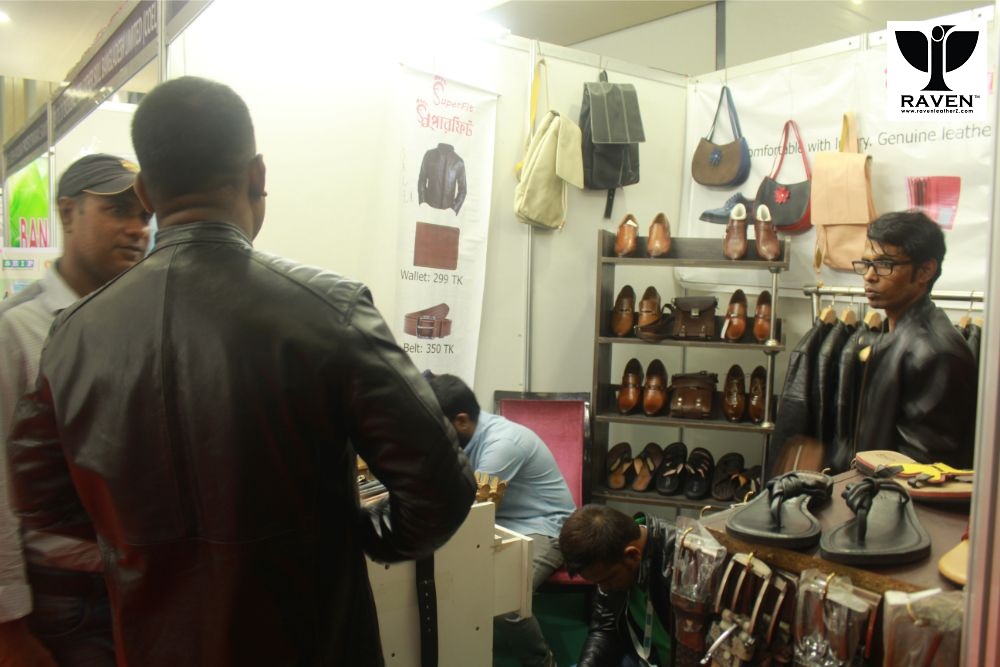
    Leather-Goods-Fair-for-Foreigners-in-Bangladesh
    Leather-Goods-Fair-for-Foreigners-in-Bangladesh


    Bangladesh has only a couple of decades since Independence, made critical additions from the cowhide trade.  As it is advancing from the status of an exporter of 90% in addition to crude stows away and skins to that of an exporter. and furthermore, dominatingly cowhide item maker. In any case, there is minimal precise examination into this segment. This new report is attempting to address the exploration hole by trying to comprehend circumstant. Like the present status, issues, and prospect of the cowhide business in Bangladesh. We should discover the financial control of Bangladesh Leather Goods Exporter.

    Economic Manipulation of Leather Goods in Bangladesh:

    By and large, our Leather and Leather Products contribute more than Tk. 3200 crore. Furthermore, this is likeness outside money every year to the Bangladesh Economy. Besides, it is likewise a 100% agro-based fare arranged industry. There are just about 206 tanneries in our nation. And the yearly creation limit of handling around 400 million square feet wet blue. At that point 300 million square feet outside calfskin. Lastly, 140.39 million square feet completed cowhide. Bangladesh sends out around 200 million square feet of stows away and skins as cowhide and calfskin items, the greater part of which is outside layer calfskin.
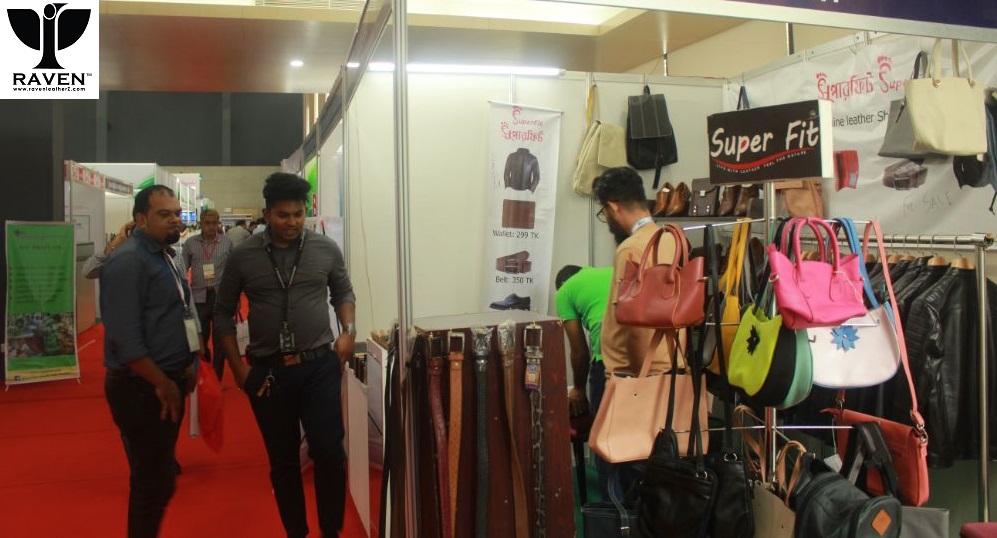
     

    Leather Goods Display for Foreign Buyers in Bangladesh
    Leather Goods Display for Foreign Buyers in Bangladesh


    As per LSBPC (Leather Sector Business Promotion Council), they locate a valuable report on the cowhide business. What’s more, here is the report depict precisely how they do. The worth expansion in delivering completed calfskin is about half higher than that of covering cowhide, and the equivalent is about 225% higher on account of cowhide items. The present work in the tannery including of Bangladesh is around 15,000 (counting administrative and generation staff), in footwear sub-division 51,400 (15,000 in automated sub-part and 36,400 in little and cabin level non-motorized sub-segment) and in leathergoods sub-segment 10,200 (1200 in automated units and 9,000 in non-automated units).

    Types of Leather Goods in Bangladesh:

    At present, 220 tanneries, 2500 footwear creating units and 90 significant firms are a partner with the calfskin and cowhide items fragment. Subsequently, this section is contributing 4% to the country’s total toll benefit by conveying things to in excess of 50 countries. There is a wide assortment of calfskin products created in Bangladesh. The main groups are below:

    1. Small ( Fancy ) leather goods
    2. Medium leather goods
    3. Heavy leather goods

    ##Small ( Fancy ) Leather Goods:

    small cowhide merchandise or personal calfskin products incorporate a wide scope of the item in this classification. More often than not, these items convey in pocket or totes. They include purses, wallets, key case, visa case, notecase, card case, cigarette case and stogie case, matchbox case, thus others. These products require the thickness of 0.5mm to 1mm. Especially, cow softy, goat coat, sheep napa, calfskin and so forth use for making these merchandise.
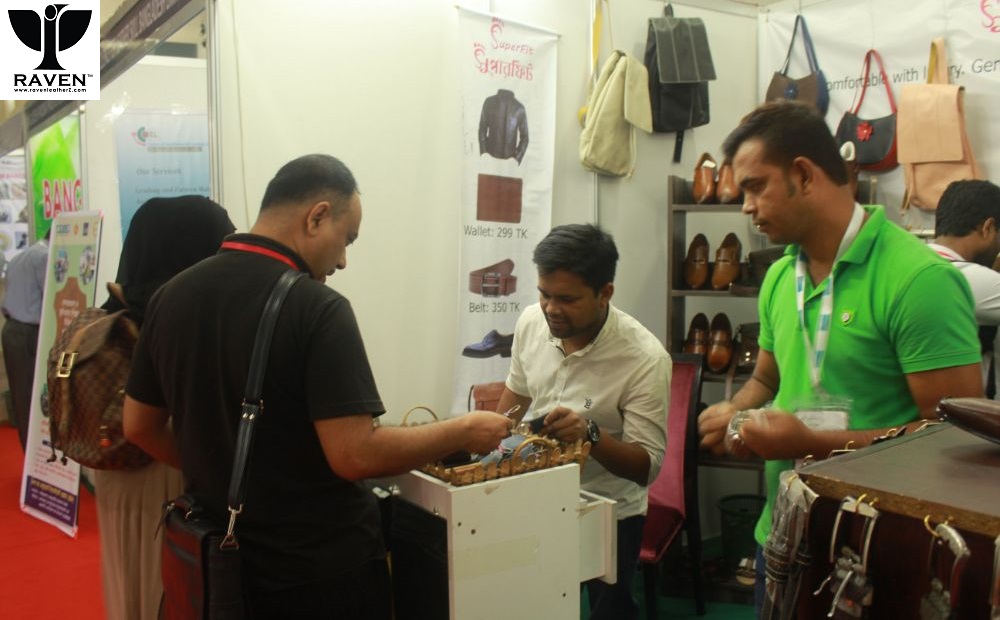
     

    Leather-Goods-Showcasing-Fair-in-Bangladesh
    Leather-Goods-Showcasing-Fair-in-Bangladesh


    ##Medium Leather Goods:

    Medium Leather Goods incorporates satchels, shopping sacks, shoulder packs, archive cases, attache cases, etc. These sacks are produced using calf, goat, sheep and intriguing skins and conceal completed with a scope of colors. And their thickness is about 0.8 mm to 1.2 mm. Generally best with Cow softy, dry processed, dairy animals napa, sheep napa, goat and buff softy cowhide are broadly utilized in the creation of medium calfskin merchandise.

    ##Heavy Leather Goods:

    Heavy Leather Goods are making by and large from dairy animals and bison stows away. Cause they are solid and sturdy. The stows away have unmistakable surface grain examples and size reaches from 20 to 30 sq. ft is a full cover-up. Furthermore, the preferable thickness is 1 to 1.5 mm. Especially,  box sides, Katti Leather, Split Leather, Cow Upper, Upholstery, Buff Softy, and so on are utilizing to make overwhelming calfskin merchandise.

    Year by Achievements:

    In addition, there is goliath potential for future advancement (neighborhood and furthermore exchange) and the goal is to accomplish USD 5 billion yearly charges by the following couple of years. It is the second most raised supporter of national passages after clothing. There has been a determined headway of the calfskin zone which has accomplished 11.93% advancement in the primary bit of the current monetary year (2016-17). What’s more, this part outperformed the passage center by 9.64%, bringing $628 million from exchanges against the goal of $572 million in the midst of the July-December period. As Bangladesh earned $560 million from cowhide and calfskin things conveys in a comparable time of FY 2015-16. Along these lines, the early concentration for the current monetary year set at $1.22 billion which is depended upon to outperform by June 2017.

    Also, Bangladesh exchanged cowhide and calfskin items worth $1.13 billion and $1.16 billion exclusively in FY 2014-15 and FY 2015-16. If we look back we see the remote trade income from footwear trade has expanded from $68 million in 2004 to $870 million in FY 2017-18. According to Export Promotion Bureau (EPB) data, in the 2018 fiscal year, Bangladesh earned $1.08 billion from footwear, down by 12% from $1.23 billion in FY17. Footwear exports totaled $651 million in the last nine months of the current FY 2018-19, which is around 10 percent higher than the same period last fiscal.
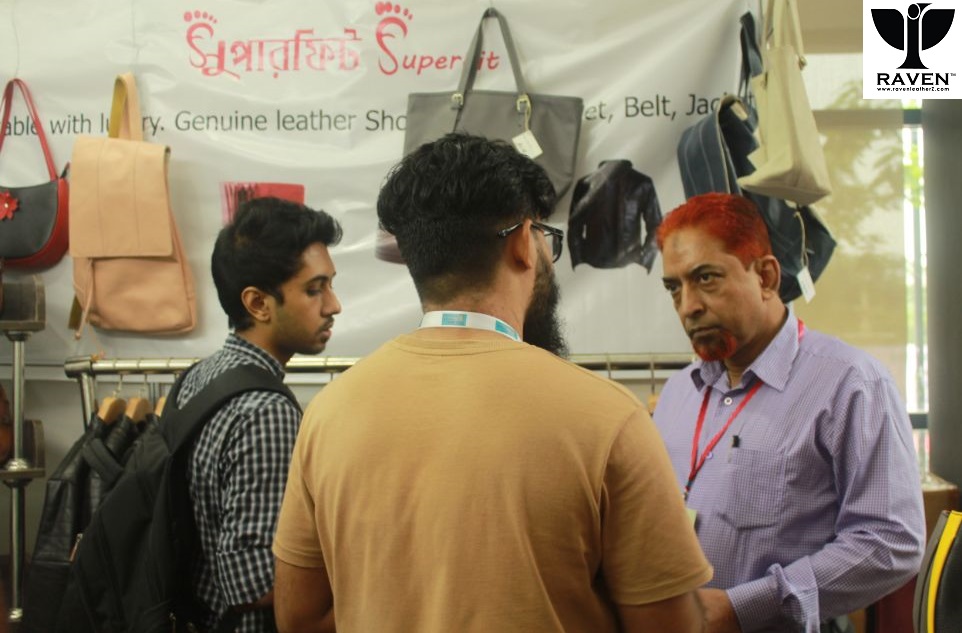
    Leather-Goods-Showcasing-Fair-for-Buyers-in-Bangladesh
    Leather-Goods-Showcasing-Fair-for-Buyers-in-Bangladesh


    Final Words:

    As we talk about the advancement and circumstances of our calfskin products exporters, we see incredible trust is holding up in us. Yet, generally speaking, past experience says a great deal regarding it. Like we have focal points and weaknesses for our calfskin industry. Our present issue is moving to Savar. Cause we see that we need right around 15 years to move here from Hazaribagh. What’s more, still, we are moving. Be that as it may, this needs to make do with forever. Something else, our generation limit will fall severely. Another issue is receiving new technology is a major issue for our calfskin industry. We are as yet working with old apparatuses yet it is currently 2k19. In this way, we have to refresh our selves with new innovation and increment our creation limit with regards to acquiring 5 billion dollars objective.
  • An Overview of Increasing Leather Sector of Bangladesh

    1940 is the year when the first leather made product start to procure & produce in the land of Bangladesh. R.P. Saha is the man who dares to set up a tannery in Dhaka Metro at Narayanganj. Through his hand, this ambitious business starts to run and within a few years, it becomes an industry. Where people are starting to get employed and earn money. From Narayanganj leather factories and tanneries start to spread around the city. And Hazaribagh becomes the trade center of leather tanning, developing and procurement. Therefore, the buyers come here to buy raw hides and finished leather from here. And this how the leather sector in Bangladesh establish its footprints to the contribution of the national economy. Now we are going to explore the leather industry below:


    Table of content:

    • Tannery Zones
    • Footwear Zone
    • Leather Goods Zone
    • Strength and Weakness
    • Opportunities and Threats
    • Conclusion


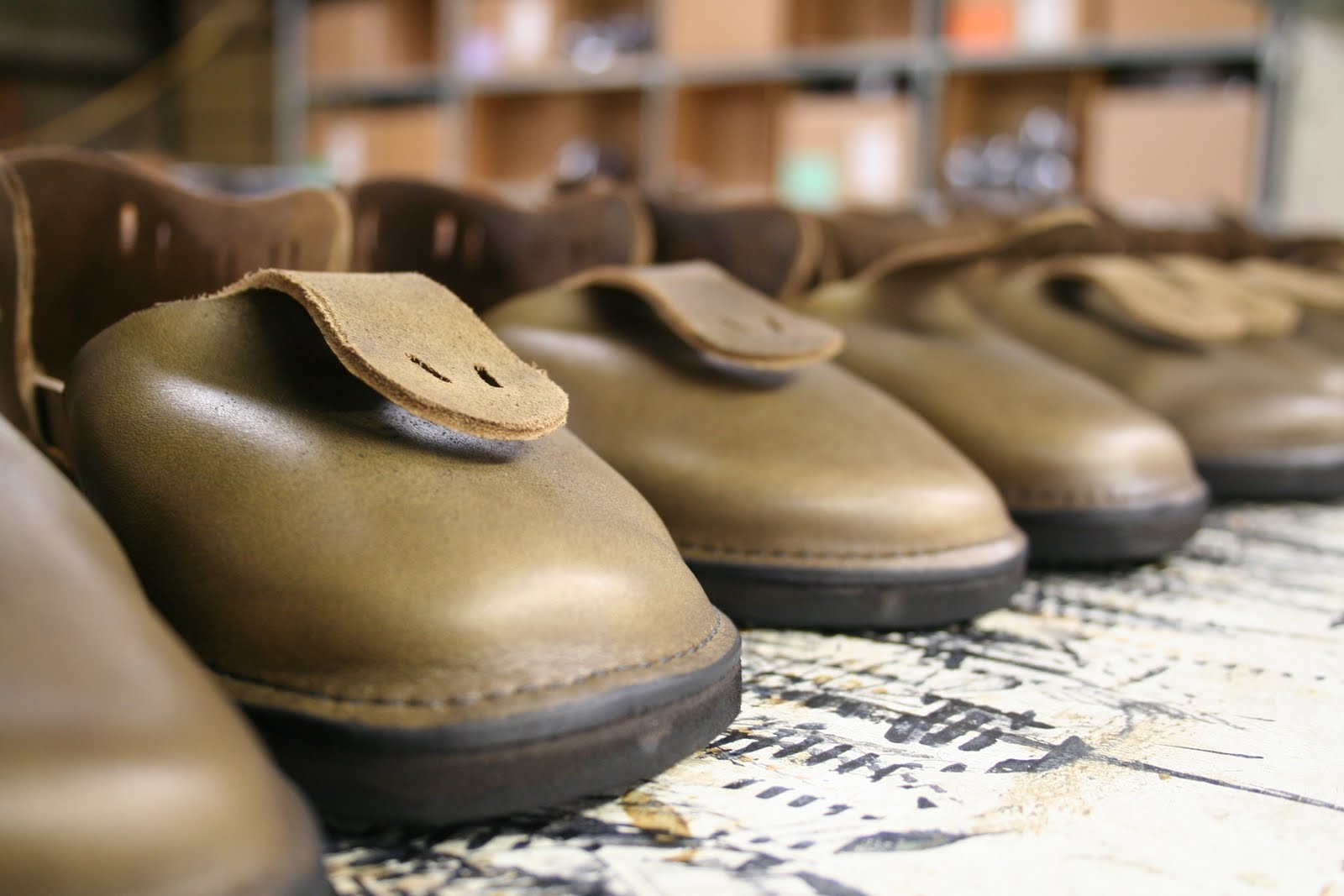
    Piles of leather shoes laying around the floor
    Piles of leather shoes laying around the floor


    ##Tannery Zone:

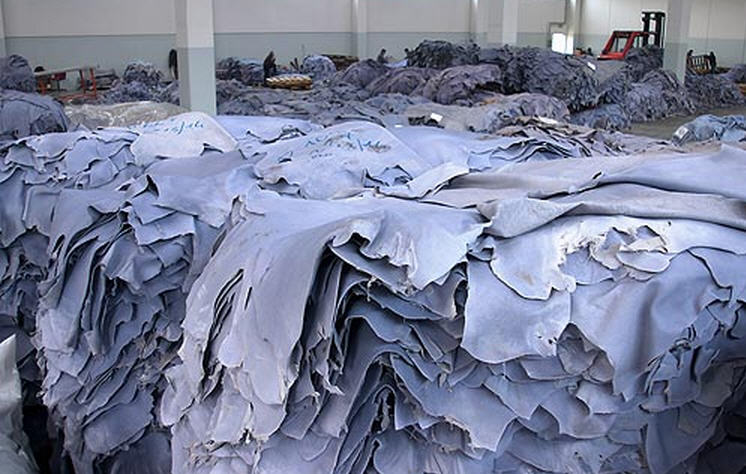
    According to Wikipedia, a tannery is a place where the rawhides or skins are processed to produce leather. And tannery zones means where all the procurements, procedures and finishing of the are done. After products gather to distribute among the buyers.

    Tanning hide into leather involves a process which permanently alters the protein structure of the skin, making it more durable and less susceptible to decomposition, and also possibly coloring it.

    First of all, the Tannery Section is the key section for raw leather development. Cause tannery section collects the bulk amount of the rawhide during the Eid-ul-Adha. In the meantime, other festivals have a minor collection of rawhide And the types of leather export from Bangladesh are below:

    1. Crust Leather (Cow, Goat, Sheep, Buffalo in variety)
    2. Finished Leather (Cow, Goat, Sheep, Buffalo in variety)
    3. Split Leather in Wet Blue stage (Cow & Buffalo)
    Crust Leather:

    Basically, Leather which has been tanned but not finished is known as the crust leather. Because of its tannage, crust leather has a lot of variety. Here are the varieties mentioned  below:


    • Full Chrome Cow/Goat/Sheep/Buffalo Crust Leather
    • Semi Chrome Cow/Goat/Sheep/Buffalo Crust Leather
    • Full Vegetable Cow/Goat/Sheep/Buffalo Crust Leather
    • Semi Vegetable Cow/Goat/Sheep/Buffalo Crust Leather
    • 100% Chrome Free Full Vegetable Cow/Goat/Sheep/Buffalo Crust Leather
    • Ecological (100% Chrome & Vegetable free) Cow/Goat/Sheep/Buffalo Crust Leather
    • Full Chrome Cow/Goat/Sheep/Buffalo Lining Crust Leather
    • Cow/Goat/Sheep/Buffalo Suede Crust Leather
    • Cow/Goat/Sheep/Buffalo Nubuck Crust Leather
    • Cow/Buffalo Split Suede Crust Leather etc.


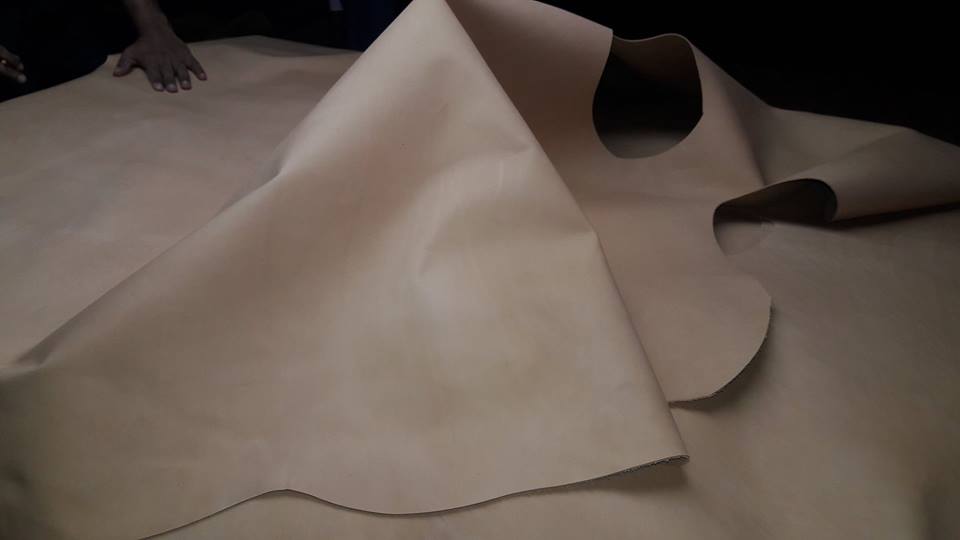
    Crust Leather Sample
    Crust Leather Sample


    Finished Leather:

    First of all, there is a wide range of Finished Leather. In here we gather the names those are export from Bangladesh. And those are below:

    • Polished Finished Leather
    • Burnished Finished Leather
    • Pigmented & Semi-Pigmented Finished Leather
    • Aniline, Semi-Aniline & Semi-Aniline Nappa Finished Leather
    • Glazed Finished Leather
    • Milled Nappa Finished Leather
    • Nubuck Finished Leather
    • Water Proof Finished Leather
    • Corrected/Plastic Finished Leather
    • Pattern Finished Leather etc.


    Cow Wet Blue Split Leather Sample in Bangladesh
    Cow Wet Blue Split Leather Sample in Bangladesh
    Split Leather:

    Finally, the Split Leathers are exported by maintaining some criteria e.g. Size, Thickness, Tannage, with or without Shoulder or only Shoulder, etc. So, to make the thickness even, sometimes splits are exported after shaving. Normally, the following category (in Cow and Buffalo) splits are exported.

    ##In Cow:

    • 5 SF+ Double Butt, 1.0 mm+ (without Shoulder)
    • 5 SF+ Single Butt, 1.1 mm+ (without Shoulder)
    • 7 SF+ Double Butt, 1.1 mm+ (without Shoulder)
    • 7 SF+ Single Butt, 1.2 mm+ (without Shoulder)
    • 10 SF+ Double Butt, 1.2 mm+ (without Shoulder)
    • 10 SF+ Single Butt, 1.2 mm+ (without Shoulder)
    • 7 SF+ Single Butt, 1.2 mm+ (with Shoulder)
    • 9 SF+ Single Butt, 1.3 mm+ (with Shoulder)
    • 10 SF+ Single Butt, 1.3 mm+ (with Shoulder)
    • 12 SF+ Single Butt, 1.3 mm+ (with Shoulder)
    • 12 SF+ Double Butt, 1.3 mm+ (with Shoulder)
    • 2 SF+ Shoulder, 1.2 mm+
    • 3 SF+ Shoulder, 1.3 mm+
    • 4 SF+ Shoulder, 1.3 mm+ etc.

    ##In Buffalo

    • 14 SF+ Single Butt, 1.6 mm+ (with Shoulder)
    • 10 SF+ Single Butt, 1.8 mm+ (without Shoulder)


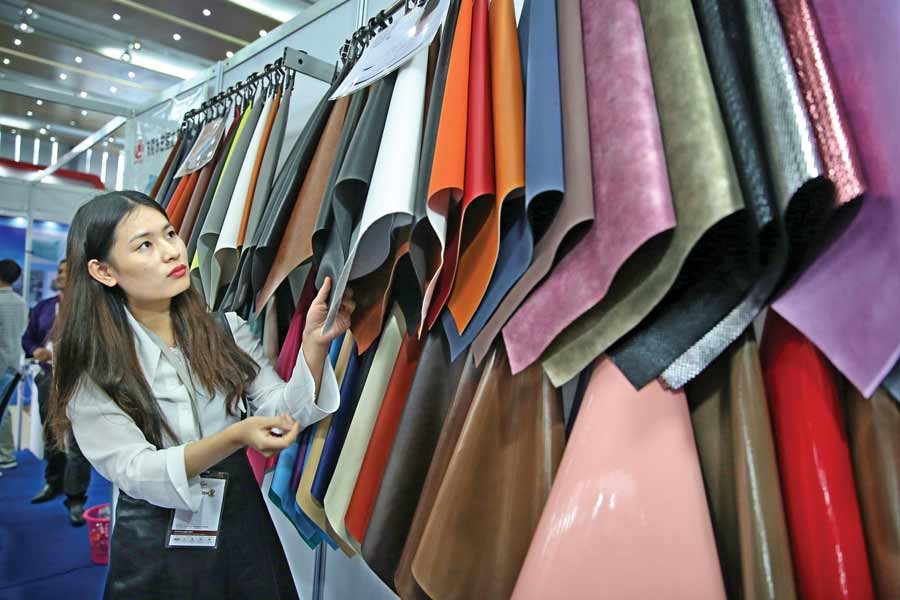
    Finished Leather Display To the Leather Fair 2019
    Finished Leather Display To the Leather Fair 2019


    ##Footwear:

    Basically, leather has been introduced since 1940. By the time goes footwear industry is gradually popular in Bangladesh. And now it is the biggest opportunity for the footwear industry of Bangladesh to evolve more. And the journey of becoming a giant in this industry has already begun. So, we are now exploring the journey below:

    First of all, Bangladesh has been positioned eighth as far as footwear generation on the planet in 2016. Cause we are creating 378 million sets of shoes or 1.6 percent of the aggregate yield, as indicated by World Footwear Yearbook 2017. And Bangladeshi footwear industry is one of the quickest developing on the planet. And expanding send out by about 700 percent amid the most recent decade, it noted. According to the EPB, during the first two months of the current financial year 2016–17, the country posted 23.62 percent growth in footwear exports over that during the same period a year ago.

    Export_performance_of_Footwear_July_To_November_2018-2019 Bangladesh
    Export_performance_of_Footwear_July_To_November_2018-2019


    #Footwear New Update:

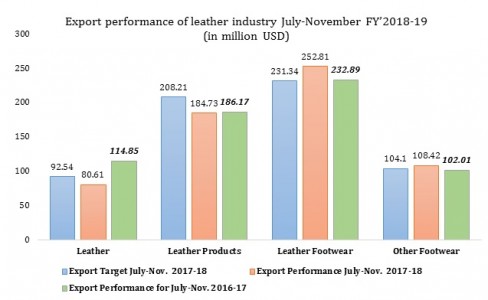
    Another report by EPB, the overall export target of the leather and footwear industry was 636.19 million USD during FY’2018-19 (July- November). But it is underachieved by 9.62 million USD with an overall export performance of 626.57 million USD. The major decline happened in the leather category (HS code: 41). And a negative growth rate of -29.81% compared to the same period of last fiscal year (FY’2017-18). As a result, it only achieves export earnings of only 80.61 million USD. On the other hand, the projected export target was 92.54 million USD. The same thing happens in the leather goods category (HS code: 42-43). It also had a negative growth rate of -0.77% compared to the same period of last fiscal year (FY’2017-2018). So far it achieves export earnings of 184.73 million USD when the projected target was 208.21 million USD.

    However, footwear (leather and non-leather) achieved positive growth. And leather footwear (HS Code: 6403) had a positive growth of 8.55% and export earnings was 252.81 million USD. As a result, 21.47 million surplus than the targeted export earnings. Also, non-leather footwear (excluding HS code: 6403) and footwear accessories achieved a positive growth rate of 6.28% as well. Total export earnings of 108.42 million USD. Also, earn 4.32 million surpluses compared to the targeted export earnings accordingly.


    In addition, Bangladesh trades footwear to more than 50 nations, including the EU, China, Japan, Korea, Canada, and North America. Moreover, the EU is the biggest fare goal of Bangladesh’s footwear industry.  Almost 54 percent is sent out to the EU showcase. However, Industry insiders to pick up a more prominent offer of the segment. So, Bangladeshi business visionaries should target both set up top markets.


    ##Leather Goods:

    According to industry inside currently, 220 tanneries, 2500 footwear manufacturing units and 90 large firms are involving in the leather and leather goods sector. However, this sector is contributing 4% to the country’s total export earnings by exporting items to more than 50 countries. So, the exports will increase manifolds if the leather and leather goods sector meet the compliance standards and take initiatives to promote their products in the international market. At present, we earn about US$ 1.23 billion by exporting various leather products in FY2016-2017. And the government, however, has set a target to earn $5.0 billion from exporting leather, leather goods, and the footwear sector as part of the $60 billion overall export earnings by 2021.


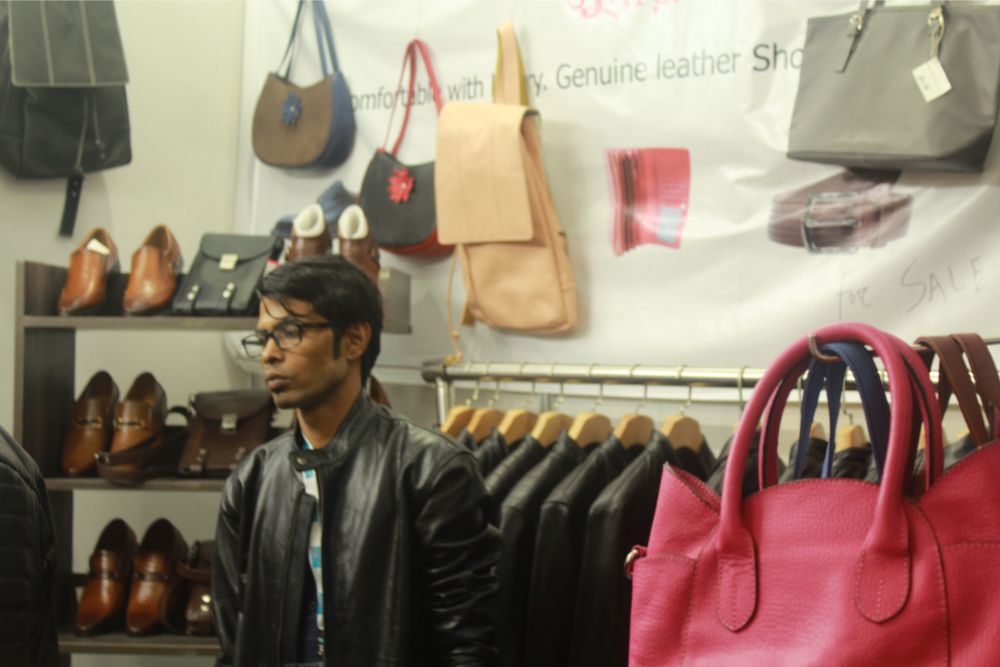
    Leather-Goods-Display-Represents-Leather-Sector-in-Bangladesh
    Leather-Goods-Display-Represents-Leather-Sector-in-Bangladesh


    Strength & Weakness:

    • High growth and investment potential
    • Availability of highly reputed, high-quality leather
    • Government’s thrust as a priority sector—provision of incentives and exporter-friendly policies
    • A large pool of inexpensive manpower


    • Insufficient use of better technologies and appropriate
    • production methods
    • Lack of R&D and training
    • Dependence on expensive imported raw materials.
    • Inefficient raw material procurement and firms’ lack of market information, and knowledge of business promotion opportunities and marketing strategies
    • Difficulty in obtaining bank loans


    Opportunities & Threats:

    • Potential to replicate RMG success story.
    • Large and growing global leather export market and increasing demand for Bangladesh’s leather-based products.
    • Rising potential in the domestic market.
    • Leather exports gaining momentum in recent years.
    • Large demand in emerging markets.
    • Establishment and promotion of economic zones all over the country.
    • Placement of new tannery estate in Savar.


    • Stricter international standards
    • Stiff competition from other Asian economies
    • Lifting of trade preferential treatment in the near future
    • High costs of doing business


    Final Words:

    Currently, in 2018, the sector has already started changing. First of all, the tanneries are moving Savar from Hazaribagh. In Savar,  tanneries are getting larger space, healthy work environment, better water & electricity supply, etc. And now the tanners & manufacturers are also moving to this area. Yet there are few problems arrive on this moving time. Meanwhile, some of them are not moving on time, expected facilities are not provided properly, No hot water facilities, and so on. That’s why few drops on production make the industry analyzers anxious. But every progressive move has some difficulties & hinders on their way of success. So, we are also hopeful with our change and adaptability of our leather industry. And we are on the way to our destination.

RAVEN Leather Ltd